
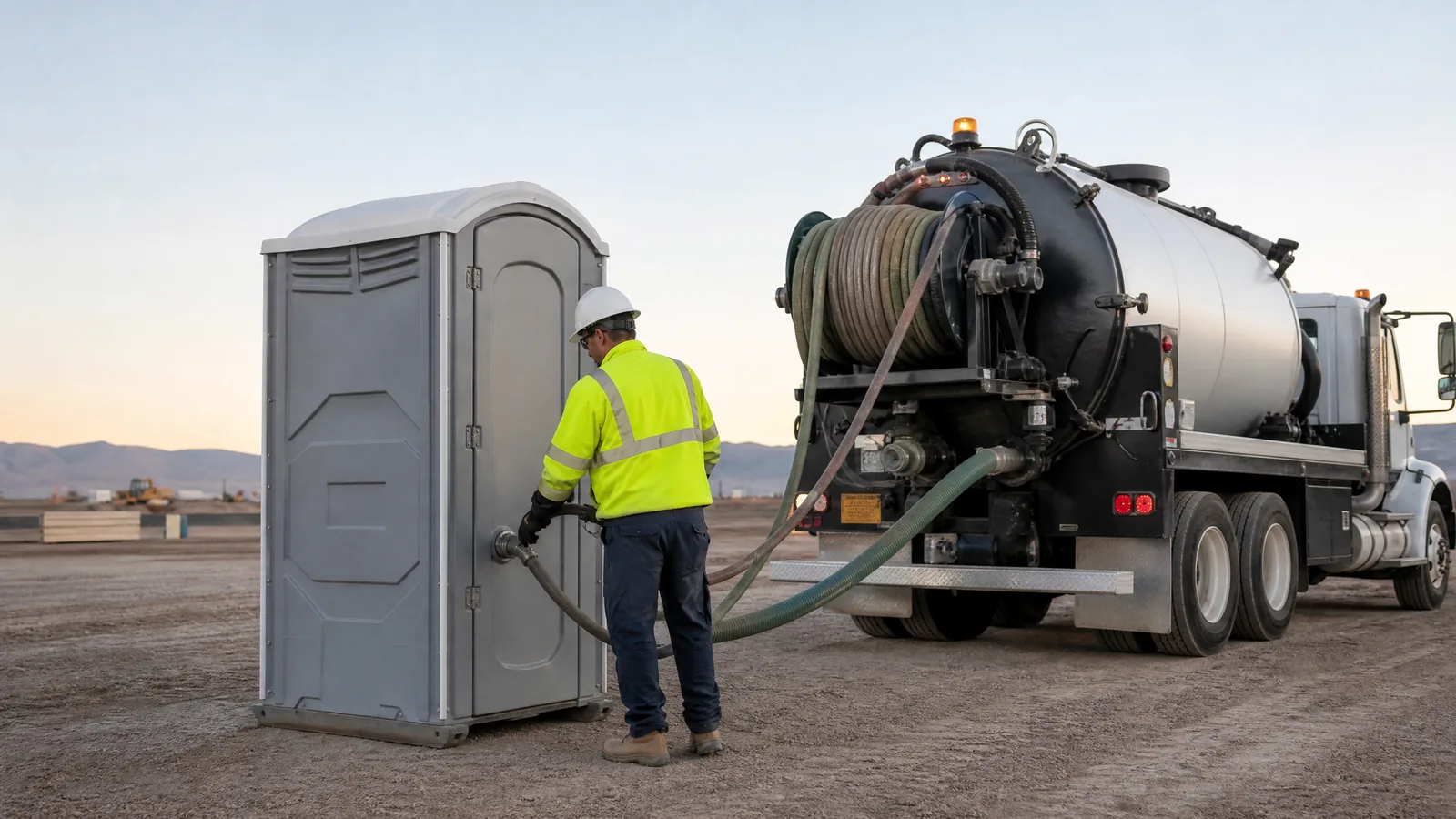
Long-Term Portable Restroom Planning for Renovations and Ongoing Work
When a renovation lasts weeks or a facility remains in transition, a temporary restroom becomes part of the property’s daily routine. The plan must work for workers, occupants, visitors, and service access over time. It should also anticipate change: demolition can alter the approach, framing can close a gate, and finished landscaping can make an early placement unsuitable.
A residential renovation may involve a household without a usable bathroom, while a commercial project may serve trades, staff, tenants, or visitors. List those groups separately and identify when their access overlaps. Explain whether the restroom is the primary facility, a backup, or a worker-only option.
Start with the site details
Mark the initial placement, the approved access route, and the conditions that would require reassessment. Examples include a moved construction entrance, new fencing, driveway work, excavation, utility installation, or a change in building occupancy.
Place the unit for real-life access
Choose a location that is convenient without placing users in an active work path or exposing them to unnecessary traffic. Consider lighting, shade, separation from food preparation, and clear wayfinding. Add handwashing stations when the project needs a separate hygiene point.
Keep the plan adaptable
Share the property address, expected duration, project phases, occupant groups, access route, surface, gate conditions, accessibility needs, and a contact for site decisions. The final service scope, availability, visit cadence, and any relocation needs must be confirmed for the specific project rather than assumed from a generic page.
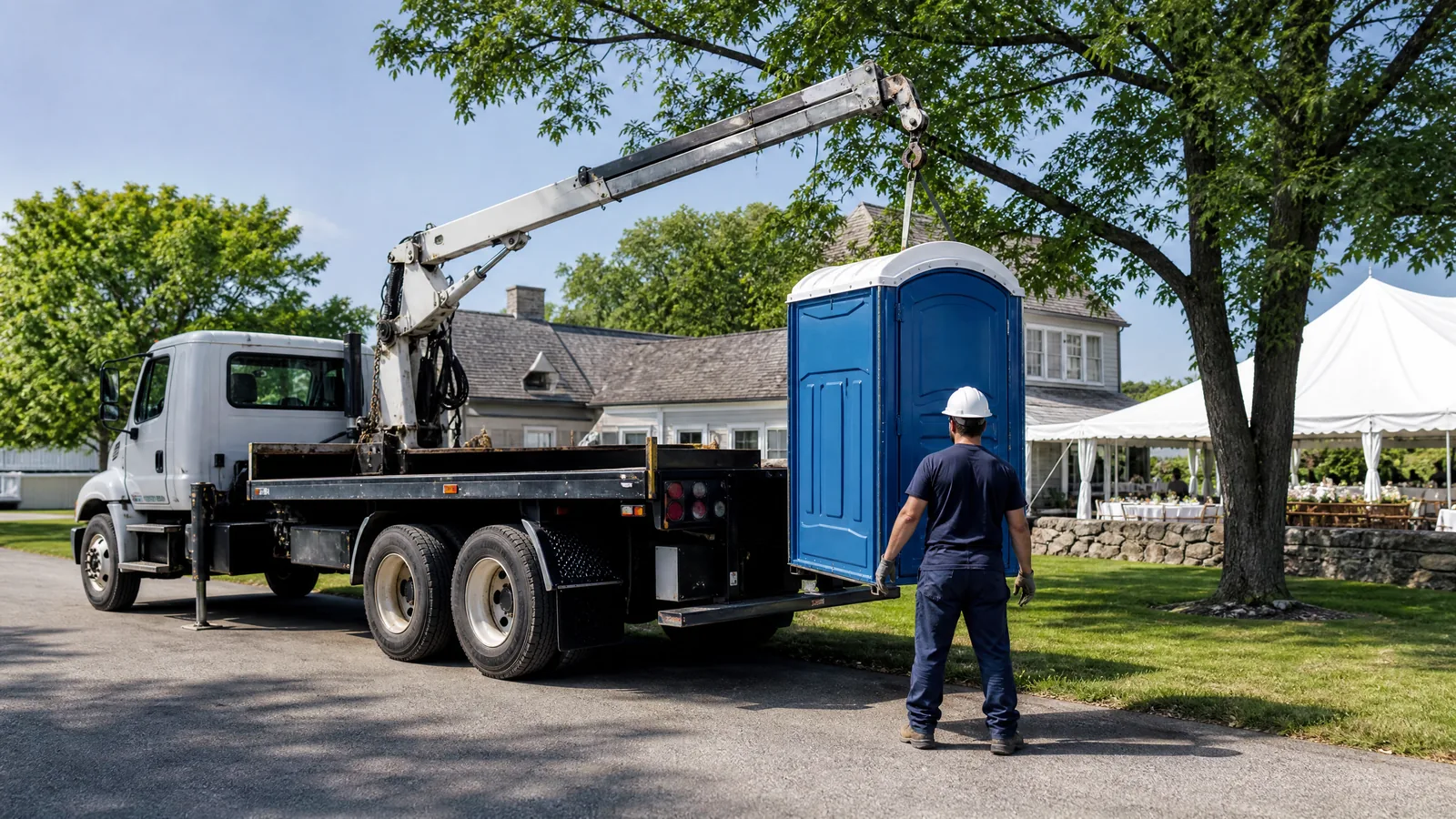
Frequently asked questions
Can a unit remain in one place throughout a renovation?
Sometimes, but the answer depends on access, safety, construction phases, and property changes. Include review points in the plan so the location can be reconsidered when the site changes.
What should a household do when the home bathroom is unavailable?
Identify who will use the temporary facility, how they will reach it safely, whether accessibility needs exist, and how the unit will coexist with workers and deliveries. Share those details before final placement.